Create a CEG Account  /  CEG Login


Looking Back: Cranes of Yesteryear

June 15, 2020 - National Edition
HCEA

A look at cranes from the past courtesy of the Historical Construction Equipment Association.

This story also appears on Crane Equipment Guide.

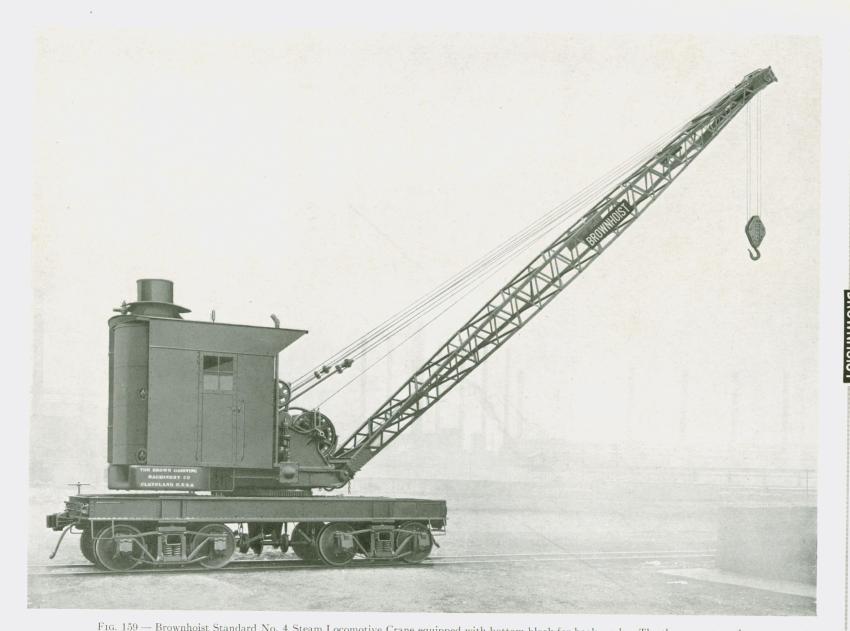
The Brown Hoisting Co. of Cleveland, Ohio, offered this very typical steam-powered locomotive crane at the turn of the last century.
(HCEA photo)
The Brown Hoisting Co. of Cleveland, Ohio, offered this very typical steam-powered locomotive crane at the turn of the last century. (HCEA photo)  

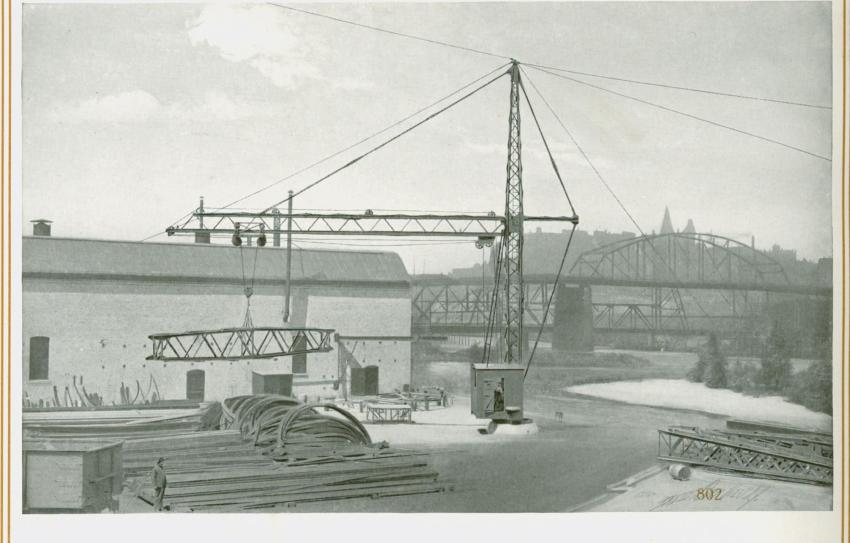
American Hoist & Derrick offered this machine in their 1905 catalog. This is basically a guy supported tower crane.
(HCEA photo)
American Hoist & Derrick offered this machine in their 1905 catalog. This is basically a guy supported tower crane. (HCEA photo)  

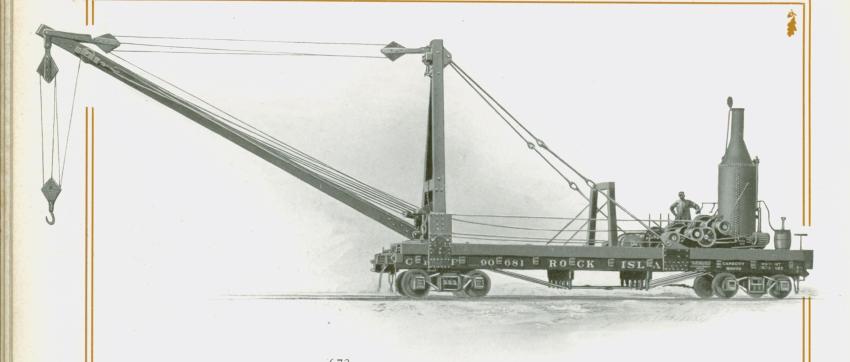
This American Hoist & Derrick machine is a bridge builders derrick, similar to those offered by other manufacturers.
(HCEA photo)
This American Hoist & Derrick machine is a bridge builders derrick, similar to those offered by other manufacturers. (HCEA photo)  

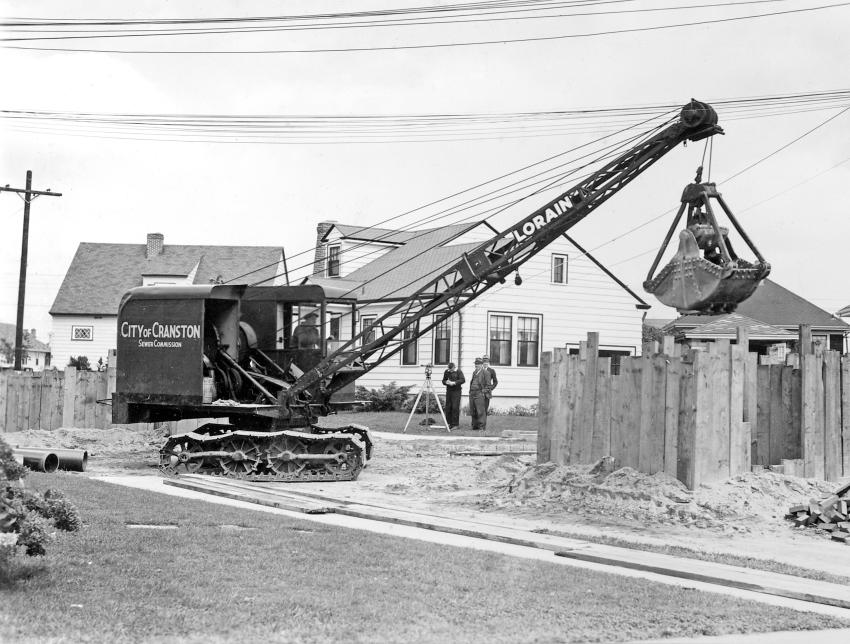
This Lorain 40A clamshell crane operates with a flattened boom angle to avoid utility lines on a sewer job in Cranston, Rhode Island, circa 1940. Note the trench sheathing.
(HCEA photo)
This Lorain 40A clamshell crane operates with a flattened boom angle to avoid utility lines on a sewer job in Cranston, Rhode Island, circa 1940. Note the trench sheathing. (HCEA photo)  

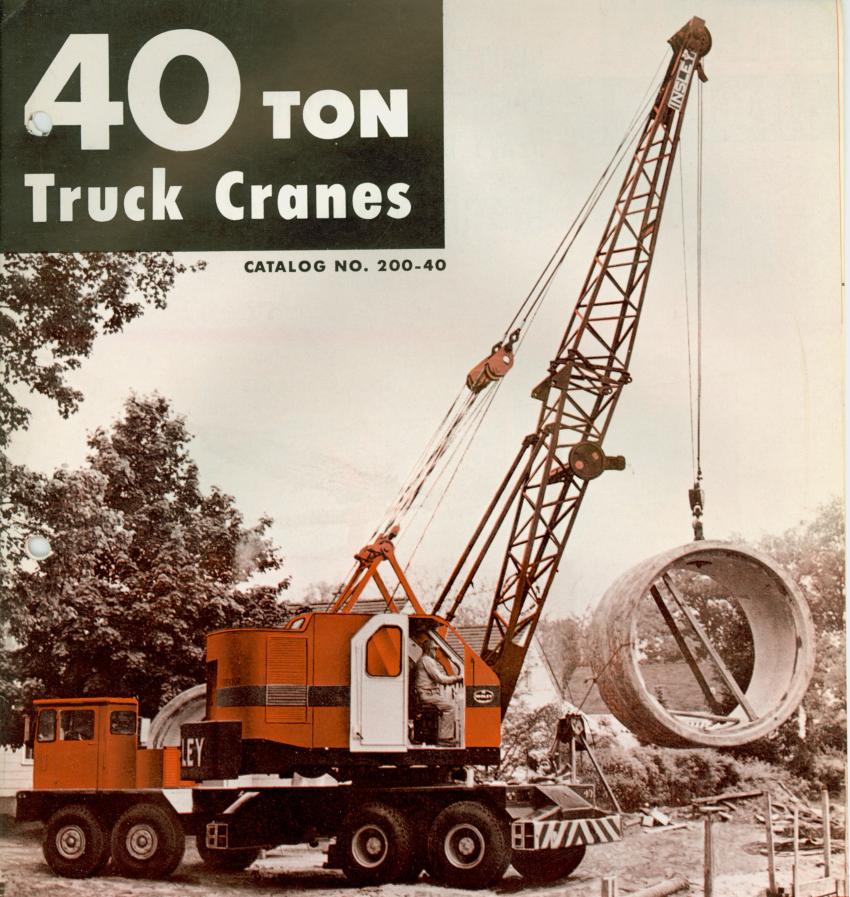
The 40-ton capacity WB was the largest truck crane offered Insley. 
(HCEA photo)
The 40-ton capacity WB was the largest truck crane offered Insley. (HCEA photo)  

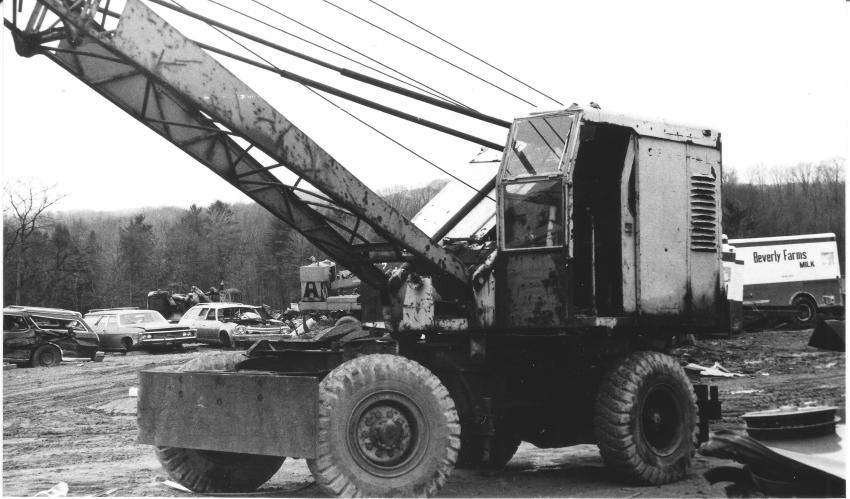
One of the most popular General Excavator Company models was the 105 self-propelled machine. Rated at ½ -yard, it could be converted to an 8½-ton crane and could travel at up to 20 mph.
(HCEA photo)
One of the most popular General Excavator Company models was the 105 self-propelled machine. Rated at ½ -yard, it could be converted to an 8½-ton crane and could travel at up to 20 mph. (HCEA photo)  

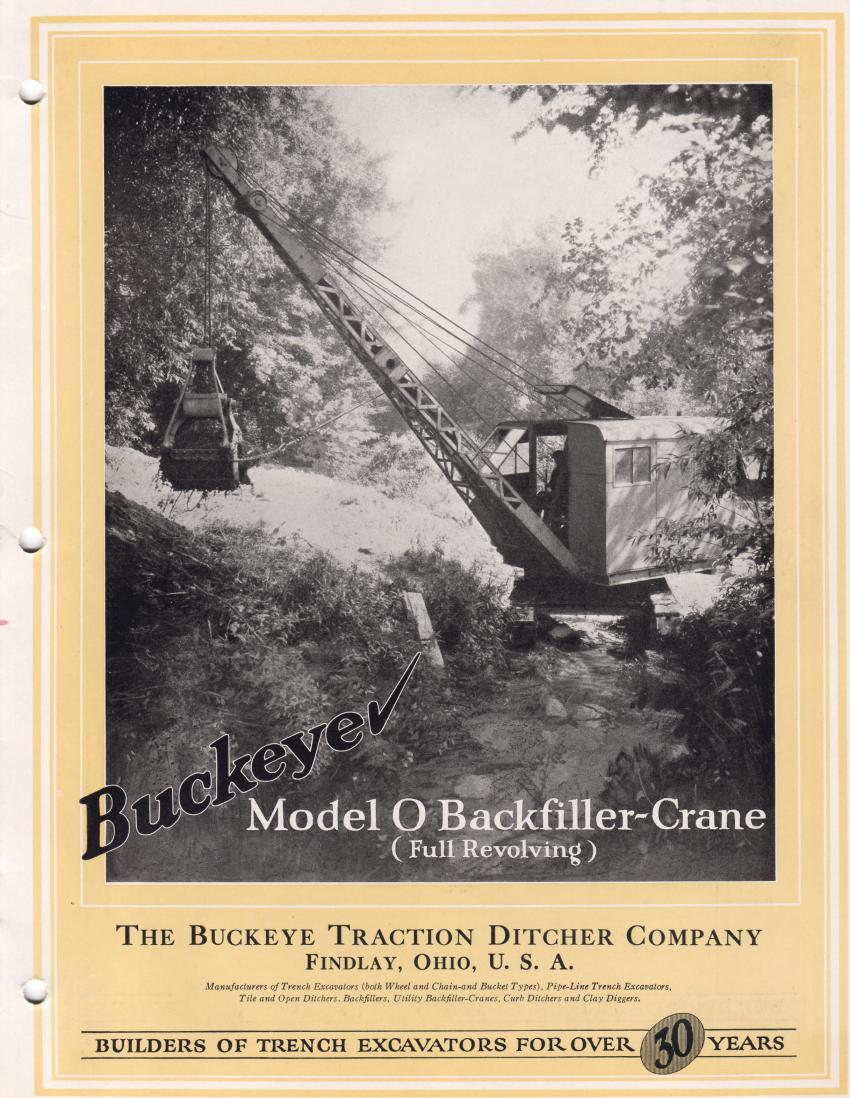
Buckeye Traction Ditcher Company began producing crawler excavators primarily for backfilling trenches with an open-bottomed dragline bucket. Introduced in 1926, the Type 0 was offered as a crane, clamshell or conventional dragline two years later, with mounting on a truck or crawlers. A flatcar-mounted railroad ditcher version was also offered. 
(HCEA photo)
Buckeye Traction Ditcher Company began producing crawler excavators primarily for backfilling trenches with an open-bottomed dragline bucket. Introduced in 1926, the Type 0 was offered as a crane, clamshell or conventional dragline two years later, with mounting on a truck or crawlers. A flatcar-mounted railroad ditcher version was also offered. (HCEA photo)  


Today's top stories

New SR 141 Alignment Promises Smoother Travel Through Middle Tennessee

Webber–United JV Advances $620M I-16/I-75 Interchange

Thompson Tractor Hosts Companywide Used Equipment Sale

Georgia Power Begins Construction of Battery Storage System

Werk-Brau Names Gold Coast JCB as South Florida Dealer

BOMAG Names Mid South Machinery Full Line Dealer for State of Mississippi

Louisiana Breaks Ground On $2.3B I-10 Calcasieu River Bridge

James River Equipment Named Newest Trimble Technology Outlet, Serving Customers in Mid-Atlantic


×

Stay Ahead of the Market

Get weekly equipment news, auction updates, and dealer insights — trusted by thousands of industry professionals.


39.95234 \\ -75.16379 \\ Philadelphia \\ PA \\ US \\ 19019